
Doing More with Less: 3 Event Planning Strategies for 2027


The Biggest Event Planning Opportunity for 2027? Working Smarter Together
Higher expectations (again). Tighter resources (even tighter than 2026). Smarter strategies. Discover how to maximize your event budget, increase attendee engagement, and deliver more impact without adding complexity.
Event planners have always been resourceful. But heading into 2027, resourcefulness alone may not be enough.
Event budgets are under pressure, planning teams are stretched thin, and attendees are increasingly selective about where they invest their time and travel dollars. Yet expectations for engaging, memorable event experiences keep growing.
The numbers reinforce the challenge. According to Cvent's 2026 Global Planner Sourcing Report, 72% of event planners expect costs to rise, while 63% identify attendee engagement as their primary measure of event success.
At IMEX America 2026, planners across associations, nonprofits, and corporate organizations shared a consistent theme: How do we deliver more value without adding cost or complexity?
The answer isn't necessarily to scale back. It's about rethinking where resources go, how attendees engage, and which event production partners bring the experience to life.
Whether you're planning a corporate conference, association meeting, or nonprofit event, these three event planning strategies can help you do more with less in 2027.
1. Maximize your event budget by negotiating for value, not just price
When event budgets get tight, cutting costs becomes the immediate priority. But the lowest proposal doesn't always deliver the greatest savings.
Consider the hidden costs of event production: extra labor, equipment changes, overlapping vendors, last-minute requests, and services not included in the original scope.
A lower upfront price can quickly become a more expensive event.
The smarter approach is to evaluate the event's total value, not just line-item pricing.
Involve production partners early. Bringing event production experts into planning discussions can uncover cost-saving opportunities before you finalize budgets, venue layouts, and technical requirements.
Consolidate services where possible. Combining audio, video, lighting, staging, and other production needs with one partner can reduce duplicated expenses, simplify logistics, and minimize vendor coordination.
Explore creative alternatives. A different staging configuration, lighting design, or event technology solution may deliver the same attendee experience more efficiently.
Prioritize high-impact experiences. Protect the elements that attendees will notice and remember, while reconsidering expenses that contribute little to event objectives.
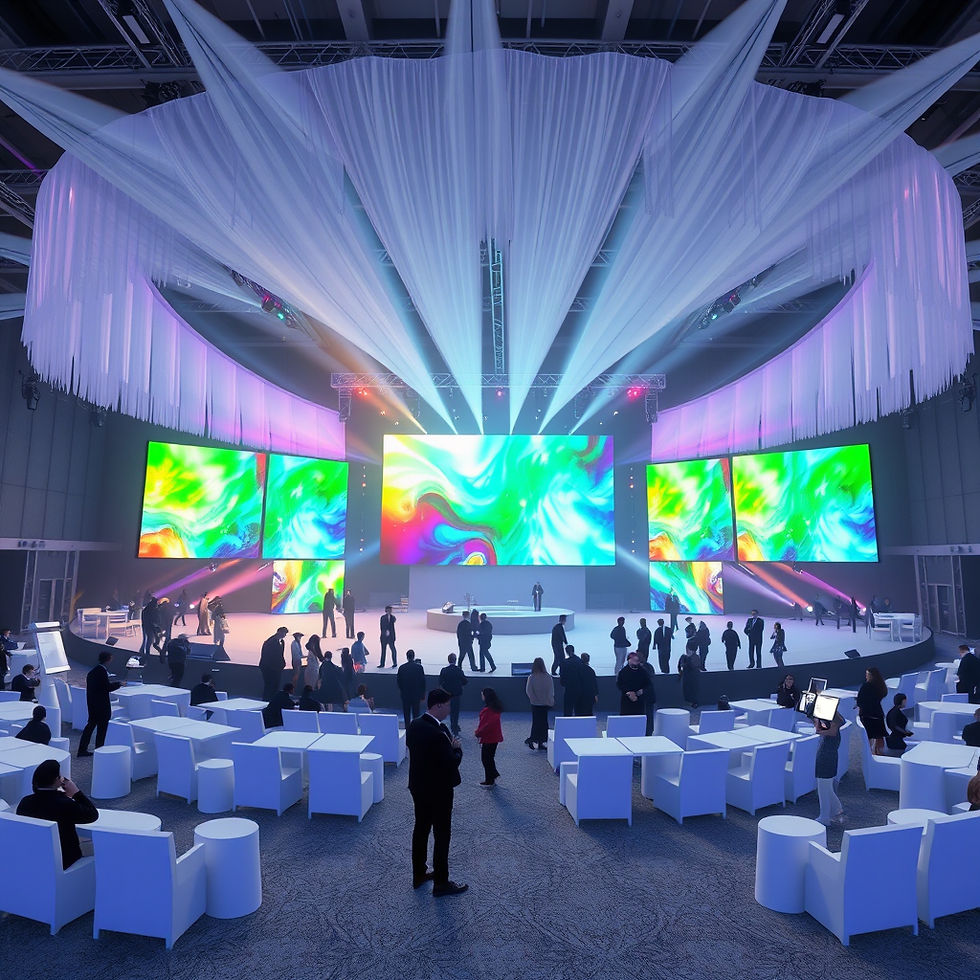
For example, a thoughtfully designed stage with strategic lighting and video integration can deliver a high-impact experience without requiring an elaborate scenic build.
The goal isn't simply to reduce event costs. It's to make every dollar work harder.
2. Increase attendee engagement before, during, and after the event
Getting attendees to register is one challenge. Getting them excited enough to participate, connect, and return is another.
In 2027, successful events will need to demonstrate their value long before attendees walk through the doors.
That means treating attendee engagement as a journey, not just an on-site activity.
Start building the event experience before it begins.
Understand attendee priorities. Use pre-event surveys or registration questions to identify the topics, challenges, and connections your audience values most.
Build anticipation. Preview speakers, interactive experiences, networking opportunities, and event highlights to give attendees a reason to look forward to participating.
Design for interaction. Incorporate live polling, collaborative sessions, audience participation, and meaningful networking opportunities instead of relying solely on passive presentations.
Extend the experience beyond the event. Repurpose recorded sessions, speaker highlights, and event content into videos, social media assets, and resources that continue delivering value after attendees leave.
Technology can support these event engagement strategies without necessarily increasing production costs.
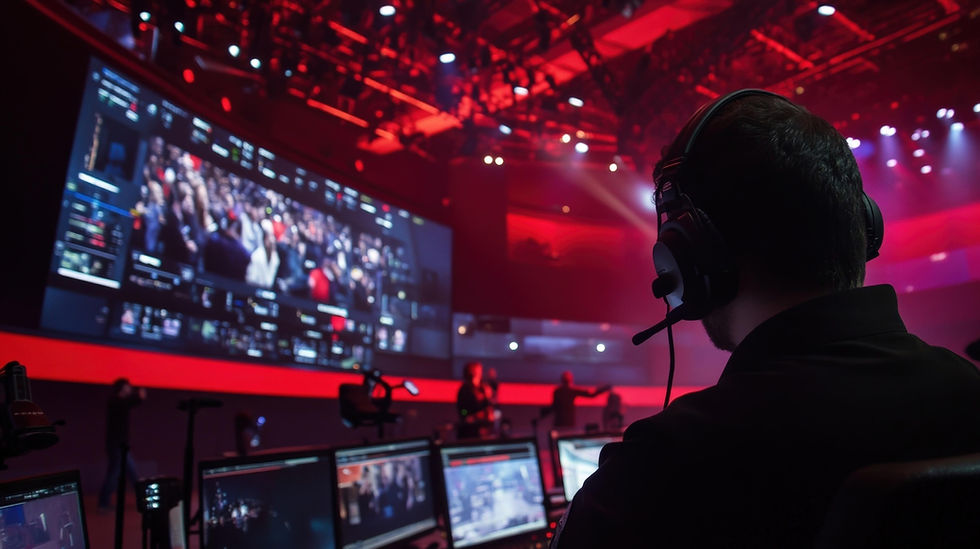
A strategically placed LED display can serve multiple purposes throughout an event, from branded welcome experiences to keynote presentations and sponsor recognition. Interactive content can transform an ordinary session into a shared experience. And professional video capture can turn a single event into months of valuable marketing content.
The key is to invest in event technology that supports meaningful connections and measurable outcomes, rather than technology for technology's sake.
3. Simplify event planning with the right production partners
Lean event planning teams don't have the luxury of managing unnecessary complexity.
Coordinating multiple vendors, tracking separate timelines, and troubleshooting disconnected systems can take valuable time away from what matters most: delivering an exceptional event.
That's why building a reliable supplier network is one of the most effective event planning strategies for 2027.
The strongest event production partners don't just fulfill requests. They help solve problems before they happen.
Look for partners who:
Understand your event objectives. They ask what you're trying to accomplish before recommending technical equipment, production services, or creative solutions.
Offer integrated event production services. Bringing audio, video, lighting, staging, and technical production together reduces the burden of coordinating multiple vendors.
Provide flexibility. They can adapt as budgets, venues, attendee counts, and production requirements change.
Take ownership of execution. Clear accountability, proactive communication, and a single point of contact mean fewer surprises and less time spent managing details.
Think beyond one event. Long-term production partnerships create opportunities to reuse assets, streamline planning, improve workflows, and build efficiencies across multiple events.
A full-service event production partner like ON Services can help planners spend less time coordinating technical details and more time focusing on their audience, content, and overall event strategy.
When planners work with partners who understand the bigger picture, they gain more than technical expertise. They gain time, flexibility, and peace of mind. And for a small team managing a large event, that can make all the difference.
Doing more with less doesn't have to mean delivering less.
It means making intentional decisions about where to invest, how to engage attendees, and who to trust with execution.
The event planners who succeed in 2027 won't necessarily have the largest budgets or biggest teams. They'll be the ones who can turn limited resources into meaningful experiences.
We believe great event production starts with understanding what our clients need to accomplish.
From early planning and creative event solutions to audio visual production, staging, and on-site execution, we help corporate, association, and nonprofit event planners simplify complexity while creating experiences that deliver impact.
One team. One point of contact. More possibilities.
Let's make your next event work harder.
Whether you're looking to maximize your event budget, rethink your attendee experience, or simplify event production, ON Services can help you find a smarter way forward.
Let's Talk About Your Next Event.
Together, we create powerful experiences.
Comments